There are some teams you remember because of what they accomplished.
And then there are teams you remember because of how it felt to be part of them.
I have coached many teams who could be categorized in one of those two descriptions. I would like to highlight two of them.
The In Sync Team
We weren’t expected to go very far in the NCAA Tournament. We were the underdog—the team that received less attention because everyone assumed the powerhouse would eventually win.
That’s the interesting thing about being an underdog. People spend a lot of time talking about the team you’re supposed to lose to.
Until you don’t.
We knocked a powerhouse out of the NCAA Tournament and kept going—all the way to the Elite Eight.
But when I think back on that season, the wins aren’t the first thing I remember. I remember the feeling.
Our team was completely in sync.
The players felt it. The coaches felt it. Our radio announcers felt it. Our fans felt it.
Even people watching from outside our program could sense that something was different about this team. People talked about our chemistry. Fans raved about how connected our players seemed. And how easy they made winning look. There was an energy around the team that was difficult to explain but impossible to miss.
Inside our program, we felt almost unstoppable. Not because we believed we had more talent than everybody else.
We believed in each other.
Thirty years of coaching taught me that there is an enormous difference between having talented people on a team and having a talented team.
And that lesson extends far beyond sports. It applies to businesses, executive teams, departments and organizations everywhere.

So, How Do You Build a High-Performing Team?
High-performing teams are built when people share a common purpose, understand their roles, trust one another, hold each other accountable, have a meaningful voice, recognize one another’s contributions and care more about collective success than individual credit.
Talent matters. Strategy matters. Resources matter. But none of them guarantee that people will actually become a team.
Organizations can recruit talented employees, hire impressive résumés, develop ambitious strategic plans and establish challenging goals. Still, something can be missing.
I’ve seen what happens when it is.
The Other Kind of Team
During another season, I coached a team that had a very different experience.
We struggled to come together.
Leadership became more concerned with being liked than with holding teammates accountable. Relationships became strained.
At one point, some players wouldn’t pass the ball to one another.
Think about that for a moment.
We were playing basketball. Passing the ball is fairly important. Yet relationships had deteriorated to the point where individual frustration was interfering with one of the most fundamental actions required for our team to succeed.
The coaches worked to bring the group together, but everything felt harder. Practices were harder. Communication was harder. Team meetings were harder. Leadership was harder.
Those two seasons have stayed with me because they taught me something that leaders in every organization need to understand.
Talent Alone Does Not Create Peak Performance
One team became so connected that people outside the program could feel it. Another struggled to get people inside the program moving in the same direction.
Same sport. Talented people. High expectations. Completely different team experiences.
What made the difference?
After 30 years of coaching, I believe there are six conditions leaders can intentionally create that give teams the best opportunity to reach peak performance. And research on workplace performance supports many of the same principles I watched play out on the basketball court.
Gallup’s research across more than 180,000 teams found significant differences between highly engaged and less-engaged teams. Top-quartile teams had 23% higher profitability and were 18% more productive in sales and 14% more productive based on production records and evaluations than bottom-quartile teams.
Engagement isn’t simply about whether people are happy at work. It is connected to performance. And leaders have enormous influence over whether it happens.
Here are six lessons I learned from the court that every leader can take into the workplace.
Make the Mission Bigger Than the Individual
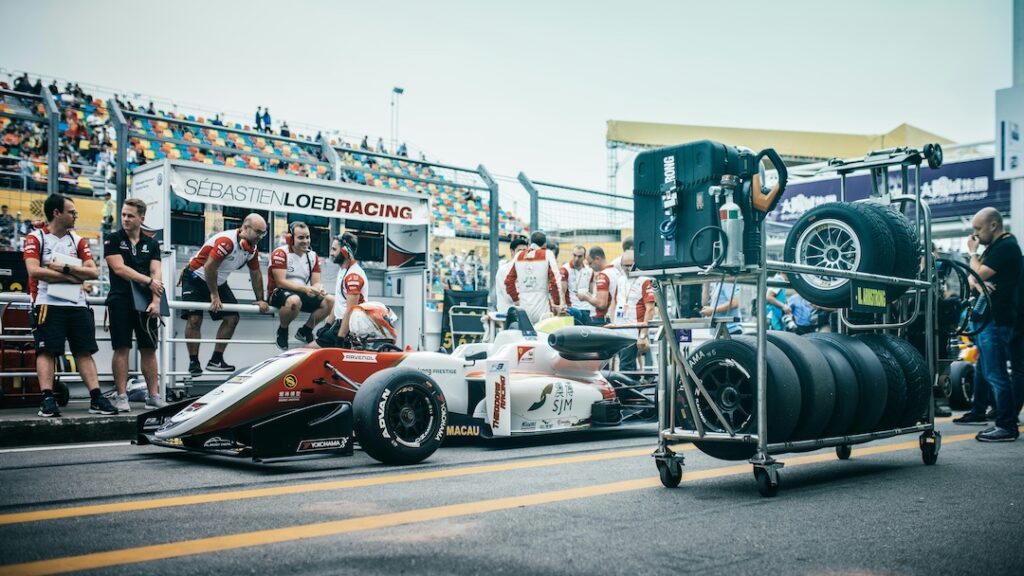
One of the hardest challenges on any team is what happens when individual recognition collides with team success.
Who gets the credit? Who gets the promotion? Who gets the biggest account? Who gets mentioned by the CEO? Who gets invited into the important meeting? What is the mission?
In basketball, the questions sound slightly different.
Who starts? Who scores? Who gets interviewed? Who gets their picture in the newspaper? Who takes the last shot?
It is easy to say: “I don’t care who gets the credit as long as we win.”
It is much harder to live it.
Peak-performing teams gradually shift the question from “What do I get?” to “What does the team need from me?”
That does not mean individual ambition disappears. I wanted ambitious athletes. Businesses should want ambitious employees.
The goal isn’t to eliminate personal aspiration. The goal is to connect individual ambition to collective success.
Our Elite Eight team understood something powerful.
When the team wins, there is usually more attention to go around. More people notice you. More opportunities emerge. More stories get told. More teammates get recognized.
Winning expands the spotlight. Fighting over the spotlight shrinks it.
The leadership lesson #1
Help people understand how their individual success contributes to the team’s larger mission.
Don’t only ask: “What are your goals?” Also ask: “How does achieving your goal help this team win?”
High-performing teams emerge when personal ambition and collective purpose stop competing with each other.
Give Everyone a Role—and Make Sure the Role Matters
Not everyone on our Elite Eight team started ,played the same number of minutes, or scored the same number of points. But every person needed to understand the answer to an important question:
Why am I here?
That’s one of the most important questions anyone on a team can answer. People don’t need identical roles. They need meaningful roles. There is a tremendous difference.
In organizations, we sometimes unintentionally create a corporate version of the starting lineup. Senior leaders receive the information. Senior leaders get the recognition. Senior leaders participate in the important conversations. Everyone else executes.
Then we wonder why employees don’t demonstrate ownership.
Ownership is difficult when people don’t believe they have a stake in the outcome.
Gallup’s engagement research reinforces the importance of basic conditions such as employees understanding what is expected of them, having opportunities to use their strengths and believing their contributions matter.
Peak-performing teams communicate something much more powerful than a job description:
You matter here.
Your contribution matters. Your preparation matters. Your perspective matters. And your performance affects the rest of us.
Leadership Lesson #2
Ask people: “Do you understand what this team needs from you in order for us to succeed?”
If they can’t answer that clearly, you may have a role-clarity problem disguised as a performance problem.
Give Everyone a Voice—Not Just Your Starters
Some of the best team meetings I experienced as a coach weren’t lectures. They were conversations.
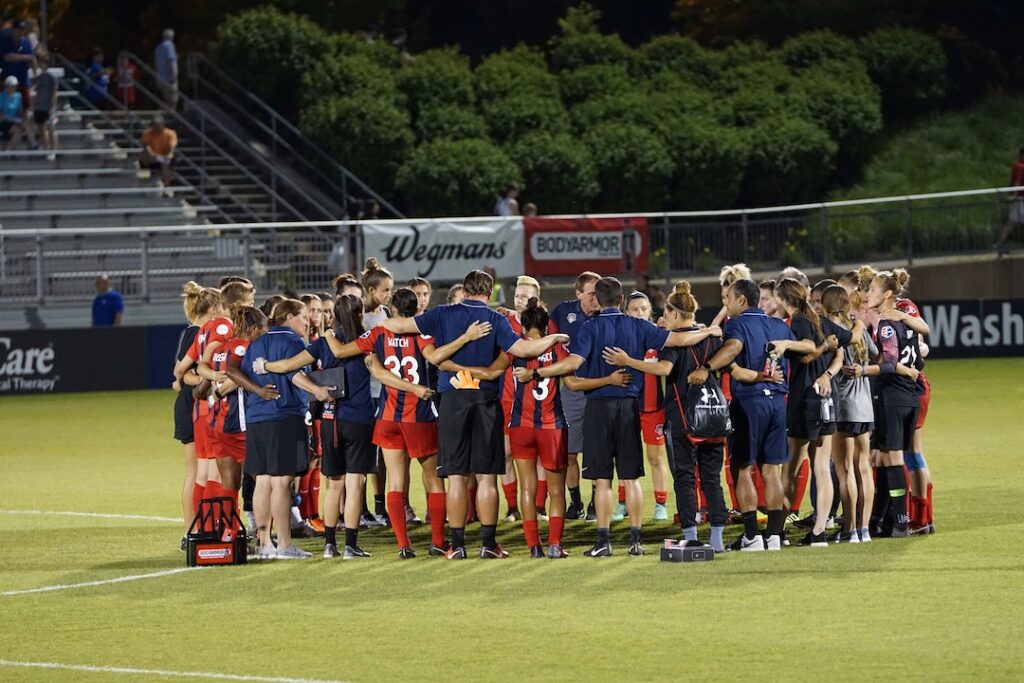
Players spoke. Coaches listened. Starters contributed. Substitutes contributed. Veterans contributed. Younger players contributed. That matters because status does not determine the quality of an idea. The person sitting farthest from the decision may have the clearest view of the problem.
Yet organizations sometimes operate like basketball teams where only the starters are allowed in the huddle. The same executives speak. The same managers contribute. The same high performers are consulted.
Eventually, everyone else learns: My job isn’t to think here. My job is to execute.
That’s dangerous.
A team cannot access its collective intelligence when only a fraction of its members are invited to use theirs.
This is closely related to psychological safety—an environment where people believe they can ask questions, acknowledge mistakes, challenge assumptions or raise concerns without being humiliated for speaking up. Research by Harvard Business School professor Amy Edmondson has examined how psychological safety enables learning and collaboration, particularly when teams are working in challenging and uncertain environments.
But giving people a voice doesn’t mean everyone gets their way. It means everyone gets an opportunity to contribute.
Leadership Lesson #3
At your next team meeting, watch the room. Who speaks? Who doesn’t? Who gets interrupted? Whose ideas receive serious consideration? Who hasn’t offered an opinion in months?
Leaders sometimes measure engagement by how much people participate. Sometimes they forget their bench in the process.
Before doing that, ask whether you’ve built an environment that actually invites participation.
Don’t Confuse Being Liked With Being a Leader
This was one of the painful lessons from the team that struggled. Some leaders wanted to be liked more than they wanted to hold teammates accountable. It created problems. Because accountability doesn’t disappear when leaders avoid it.
It gets redistributed.
Someone else absorbs the missed deadline. Someone else covers the mistake. Someone else takes on additional work. Someone else deals with the poor behavior. Someone else becomes frustrated.
Eventually, resentment grows.
I learned something important during my coaching career:
Great teammates don’t hold one another accountable because they don’t care about each other. They do it because they care enough about each other—and the team—not to let someone settle for less than they are capable of.
Accountability without relationships can feel harsh. But relationships without accountability can become enabling. High-performing teams need both.
The same is true in business. Leadership isn’t a popularity contest. Your responsibility isn’t to make sure nobody ever feels uncomfortable. Your responsibility is to create an environment where expectations are clear, feedback is honest and people know their teammates will follow through.
This is particularly important for managers. Gallup has found that managers account for about 70% of the variance in team engagement.
Think about the significance of that.
The person leading the team has tremendous influence over whether people feel connected, valued, challenged and engaged.
Leadership Lesson #4
The next time you hesitate to address a performance or behavior issue, ask yourself:
“Am I avoiding this conversation because it isn’t necessary—or because I want this person to like me?”
Those are two very different reasons.
Peak-performing teams need leaders who care enough about people to tell them the truth.

Make Working Hard Together Enjoyable
Our Elite Eight team had fun. I don’t mean we weren’t serious. We were incredibly competitive. We practiced hard, challenged one another, and really wanted to win.
But there was energy in the gym. People laughed. They competed. They celebrated. They enjoyed being around one another.
Sometimes leaders mistakenly believe fun is the opposite of high performance. It isn’t.
Disengagement is.
Fun doesn’t mean lowering expectations. It means creating an environment where people enjoy pursuing high expectations together.
Think about the teams where you’ve done your best work. Chances are there was energy. There were inside jokes. There were celebrations. There were moments people still talked about years later. There was permission to be human. And people genuinely enjoyed being around one another.
The strongest teams create memories alongside results.
That’s important because engagement is not simply a feel-good HR measurement. Gallup’s large-scale research has consistently connected higher employee engagement with important business outcomes, including productivity, profitability, retention and customer engagement.
Leadership Lesson #5
Walk into your workplace—or log into your next virtual meeting—and pay attention to the energy.
Do people seem happy to see one another? Do they laugh? Do they challenge each other? Does conversation happen naturally? Do people celebrate progress? Or does everybody arrive, complete the agenda and escape? Culture often reveals itself in those seemingly insignificant moments.
High-performing teams work hard.
But they often enjoy working hard together.
Celebrate the Pass, Not Just the Basket
Sports have an obvious recognition system. The person who scores gets applause. The person whose name appears in the box score gets attention.
But what about the person who made the pass? Or the player who set the screen? Or the teammate who made the defensive stop that started the possession?
Business isn’t much different.
We recognize the salesperson who closed the account.
But who developed the lead? Who helped prepare the presentation? Who solved the customer’s problem? Who trained the new employee? Who noticed the risk before it became a crisis? Who helped a teammate succeed without receiving any public credit?
Peak-performing cultures learn to recognize the whole play, not simply the final statistic.
Recognition tells people: I see what you contributed. And on exceptional teams, recognition doesn’t come only from the leader. Teammates recognize teammates. People celebrate other people’s successes. Credit moves around the organization rather than always flowing toward the top.
That’s when culture begins sustaining itself.
Leadership Lesson #6
Start recognizing assists.
Celebrate the people who make someone else’s success possible.
When organizations broaden what they celebrate, they broaden the number of people who understand:
I matter to this team.

The High-Performing Team Test: 6 Questions for Leaders
So how do you know whether you’re building a high-performing team?
Don’t only look at the numbers. Watch the people.
- Do we care more about the team winning than who gets the credit?
- Does every person understand their role and why it matters?
- Does everyone have a meaningful voice, regardless of title?
- Do teammates hold one another accountable?
- Do people actually enjoy working together?
- Do we recognize the people making the passes—not just the people scoring the points?
Those questions tell you a lot about your culture. Because peak performance isn’t created on the day of the championship. It is built in hundreds of ordinary moments nobody outside the team sees.
It’s built in meetings and conversations. It’s built in how you handle mistakes and who gets recognized. It’s built when someone feels safe enough to disagree. It’s built when a teammate helps another teammate succeed. And it’s built when leaders choose accountability over popularity.
Eventually, all those little moments become something bigger.
They become culture.
Frequently Asked Questions About High-Performing Teams
What makes a team high performing?
High-performing teams combine talent with trust, role clarity, accountability, shared purpose, meaningful communication and a commitment to collective success. People understand what the team is trying to accomplish, know how they contribute and trust their teammates to fulfill their responsibilities.
What are the characteristics of high-performing teams?
High-performing teams typically demonstrate clear goals, defined roles, honest communication, psychological safety, mutual accountability, recognition and strong relationships. Team members are willing to share ideas, challenge each other respectfully and help teammates succeed rather than focusing exclusively on individual recognition.
Why do talented teams sometimes underperform?
Talent does not automatically create teamwork. Talented teams can underperform when individuals compete for recognition, roles are unclear, trust is low, accountability is avoided or communication breaks down. A collection of exceptional individuals can still struggle if people aren’t committed to a shared outcome.
How can leaders improve team performance?
Leaders can improve team performance by establishing clear expectations, connecting individual roles to organizational goals, encouraging employee voice, coaching consistently, addressing problems rather than avoiding them and recognizing contributions throughout the team. Leaders also need to model the behaviors they expect from others.
How do you build accountability without damaging team culture?
Such a great question! Start by making expectations clear and building strong relationships. Accountability should not be punishment; it should be a commitment to helping people and the team meet agreed-upon standards. When feedback is timely, specific and rooted in shared goals, accountability can strengthen trust rather than damage it.
When You Feel It, You Know It
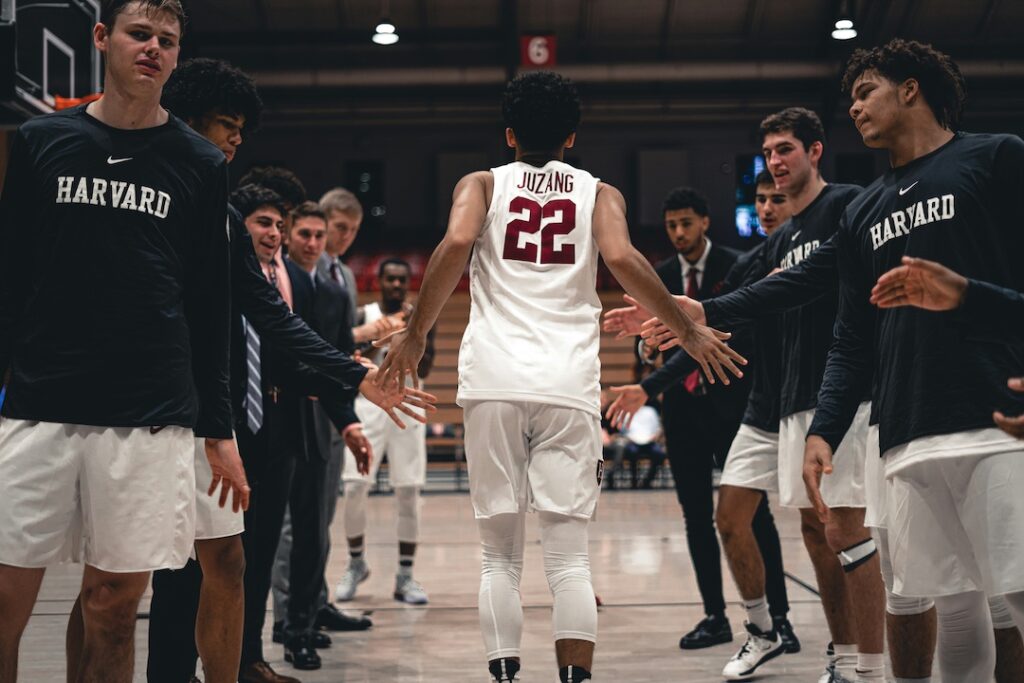
I have coached teams with talent. I’ve coached teams with ambition. I’ve coached teams with tremendous individual players. But that Elite Eight team taught me something I have carried with me ever since. There is a moment when a collection of individuals becomes something more.
People stop asking: “How am I doing?” Instead they begin asking: “How are we doing?”
They stop protecting their piece of the success and start creating opportunities for someone else.
They trust the pass. They celebrate their teammates. They speak honestly. They hold each other accountable. They understand their roles. They enjoy the work. And eventually, they begin believing that together they can accomplish something nobody outside the team expects.
That’s what happened to us. We were the underdog. People didn’t expect us to keep winning.
But inside our locker room, something different was happening. We believed. Not simply in ourselves, but in each other.
Our coaches could feel it. Our players could feel it. Our radio announcers could feel it. Our fans could feel it. Eventually, everybody watching could feel it.
That’s the thing about truly great teams. You don’t have to announce that you have a great culture. People can see it. They can hear it. They can feel it.
When talent, trust, accountability, purpose, recognition and genuine connection come together, something remarkable happens. A group of individuals starts performing as one.
And sometimes?
The team everyone overlooked becomes the team nobody can stop.
About Barb Smith and Courtside Leadership
Barb Smith draws on 30 years of Division I college basketball coaching and decades of studying leadership, teamwork and team dynamics to help organizations understand what separates groups of talented individuals from peak-performing teams. Through Courtside Leadership, she translates lessons from the court into practical leadership strategies that help organizations strengthen culture, develop leaders and inspire peak performance.
Want to build a team that performs at its peak? Courtside Leadership works with organizations through keynotes, leadership workshops, team development programs, assessments and coaching designed to turn individual talent into collective performance.
