
There were over 50 of us that summer. Pickup trucks and family vans lined the gravel driveway of my grandparent’s farm in Ohio. My cousins were already claiming victory and that they would have the winning team.
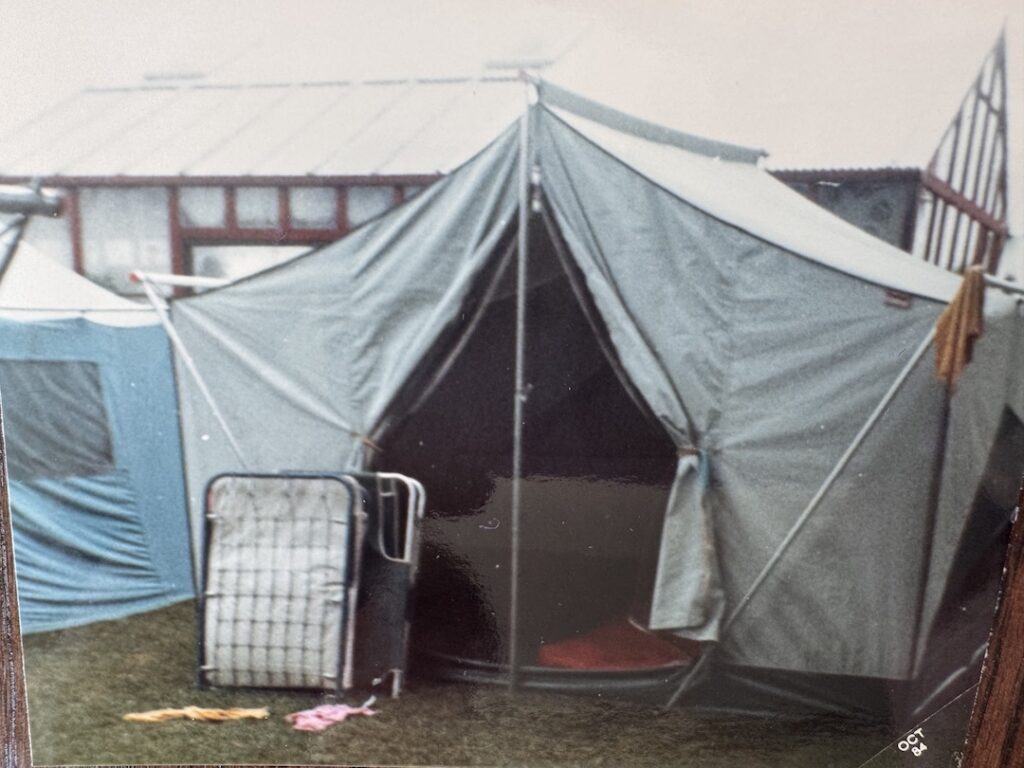
You could hear basketball bouncing on the pavement and splashes in the pool. People were literally pitching tents around the farm. We hauled ours to our favorite spot near the house, where the snacks would be easy to find. We could already smell grandma’s baking and cooking wafting from the house. There was enough to feed an army.
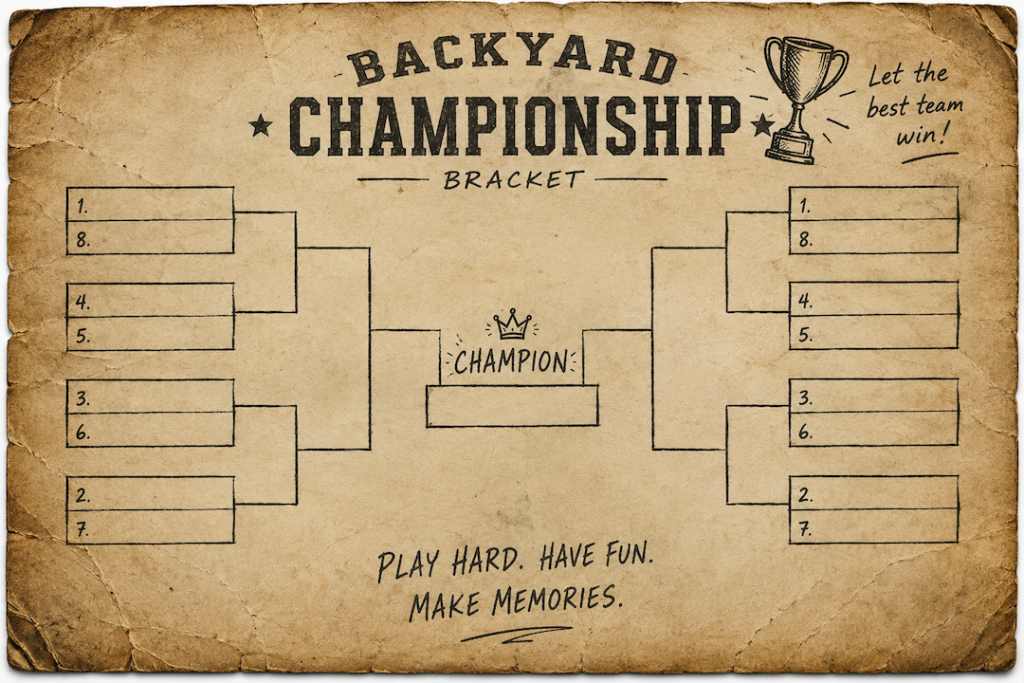
My aunts and uncles stood around a picnic table drawing teams and writing up tournament brackets as if they were selecting teams for the NCAA Tournament. We thought we were spending a weekend playing games. Looking back, we were attending the best leadership workshop I’ve ever experienced.”
This became an annual event. Every summer, more than 50, and it seemed to grow each year, family members arrived at the farm. Grandparents. Aunts. Uncles. Cousins. Babies. Teenagers. Adults. Everyone. It wasn’t just a family reunion. It was the original team-building retreat. And none of us knew it.
And if someone asked me where I first learned about teamwork, I wouldn’t point to a basketball court, or a classroom, or even to my thirty years of coaching.
I’d point to my grandparents’ farm.
The Tournaments That Everyone Waited For
The adults spent hours preparing. We cousins all knew the grown-ups had as much fun as we did. Brackets were carefully drawn. Scoreboards appeared. Rules were explained. Then the games began. There wasn’t just one tournament. There were dozens.
Basketball in the hayloft. Whiffle ball. Water volleyball. Shuffleboard. Horseshoes. Home Run Derby. Euchre tournaments that became surprisingly competitive. And probably a few games that only existed on our farm.
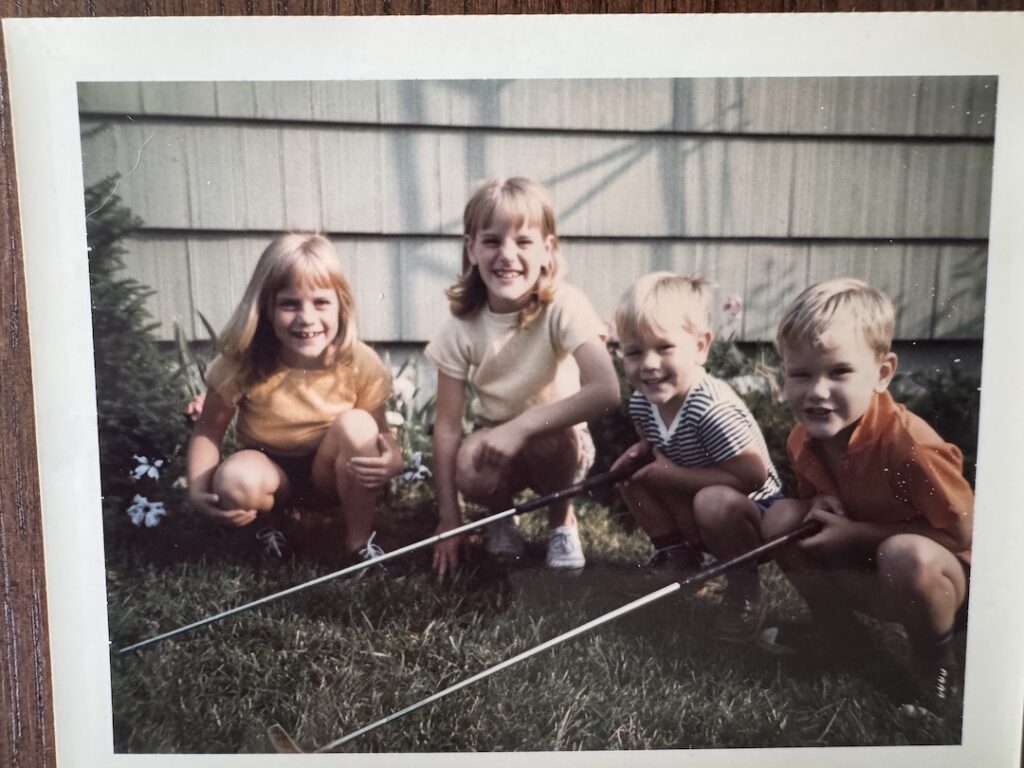
The beauty wasn’t simply in the competition. It was in how the teams were created. You never knew who your teammate would be. One year you might be paired with your younger cousin. The next game you could find yourself playing alongside your grandfather. Maybe your teammate was your aunt. Maybe your older brother. Maybe someone fifteen years older than you. Maybe someone ten years younger.
Age didn’t matter. Gender didn’t matter. Ability didn’t matter. The brackets decided. Your job was simple.
Figure out how to win together.
There Were No Excuses
If your teammate couldn’t run very fast…You had to adjust.
If Grandpa couldn’t jump in the hayloft basketball game…You learned to rebound.
If your younger cousin couldn’t throw as hard…You figured out another strategy.
Nobody asked for a different partner. Nobody complained that someone else’s team looked stronger. Nobody argued that the bracket wasn’t fair. You played with the teammate you were given.
Looking back, that’s exactly what happens inside organizations every day. You don’t always get to choose your coworkers. You don’t select every department. You don’t interview every new employee. You inherit teams. The leaders who succeed aren’t the ones waiting for perfect teammates. They’re the ones who learn how to maximize the strengths of the teammates they have.
Every Team Needed a Different Strategy
Some games required speed. Others rewarded patience. Some required communication. Others demanded precision. You couldn’t play horseshoes like basketball. You couldn’t win Euchre by throwing harder. Each event demanded something different. So did every team. Some teammates needed encouragement. Some needed direction. Some simply needed someone who believed in them.
Without realizing it, we were learning one of leadership’s greatest lessons: There is no single formula for teamwork. Great teammates adjust. Great leaders adapt.
We Laughed…A Lot
Not every memory involves winning. Some involve spectacular failure.
Someone always tripped. Someone accidentally hit the wrong target. Someone forgot the rules. Someone celebrated too early. Someone claimed victory before realizing they had counted the score incorrectly.
There was always laughter. And that’s important.
Somewhere along the way, many organizations decided that work had to become serious to become productive. But serious and meaningful are not the same thing. Research consistently shows that teams that laugh together communicate more openly, recover from mistakes faster, and build stronger relationships.
Fun isn’t the enemy of performance. Often, it’s the fuel for it. When people enjoy being together, they are more willing to help each other, to communicate, to solve problems together, and more willing to stay.
The farm taught us something many organizations forget: People work harder for teams they enjoy belonging to.
The Best Reward Wasn’t the Trophy
Well…maybe it was.
Sort of.
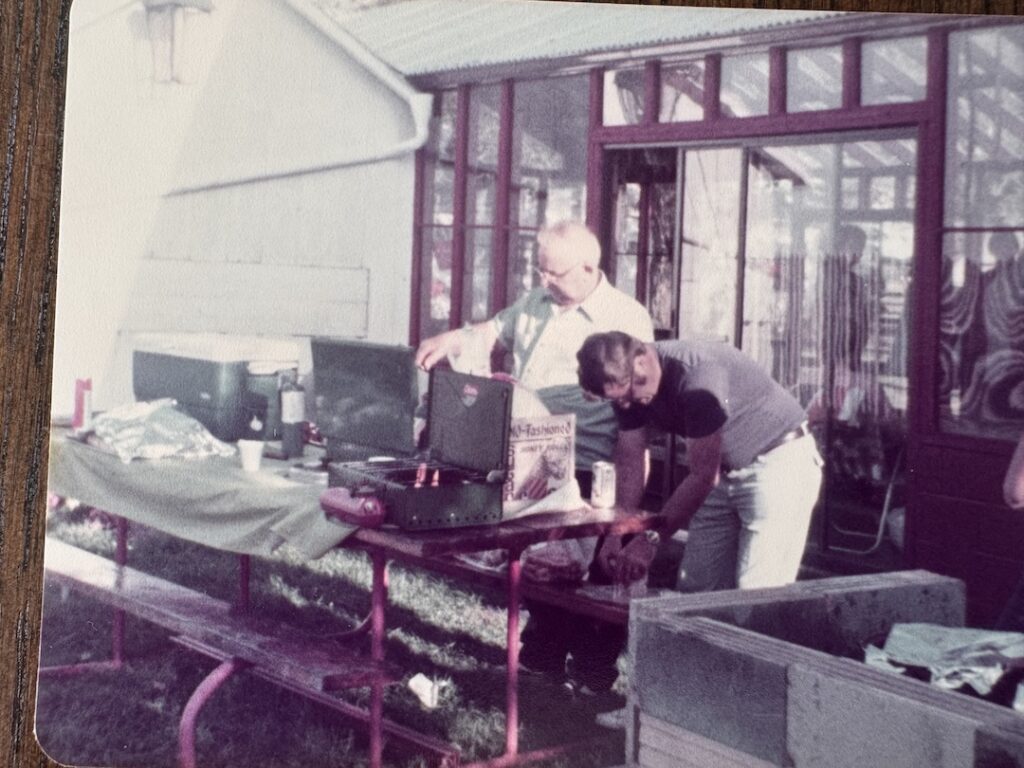
At the end of each tournament, someone would create little homemade trophies. Nothing fancy. No expensive engraving. No polished crystal. Just something symbolic. But to us? It might as well have been the championship trophy.
Then came everyone’s favorite prize. The winners didn’t have to serve themselves at the next meal. The losing teams became the wait staff. Imagine fifty family members laughing while cousins delivered plates of food to the tournament champions. It wasn’t about humiliation. It wasn’t punishment. It was a celebration. The reward was fun. The memory lasted forever.
Today, organizations often believe rewards have to be expensive. Bonuses. Gift cards. Trips. Raises. Those certainly have their place. But don’t underestimate recognition, or bragging rights, or a traveling trophy. And definitely don’t underestimate the power of laughter.
Sometimes people simply want to feel like their effort mattered.
We Didn’t Know We Were Building Culture
At the time, we thought we were just playing games. Now I realize we were building something much bigger.
We were building culture.
Culture isn’t created by mission statements hanging on the wall. Culture is created through repeated shared experiences. It’s built every time people solve problems together. Every time they overcome adversity. Every time they celebrate success. Every time they laugh until their stomach hurts. Every time they trust someone enough to rely on them.
That’s what happened on the farm.
And that’s exactly how culture grows inside organizations.
What Business Leaders Can Learn
You don’t need a farm. You don’t need fifty relatives. You probably don’t need a tent.
But you do need intentional opportunities for people to work together in new ways. Too often, organizations create teams that only interact inside job descriptions.
Marketing talks to marketing. Finance talks to finance. Operations stay with operations.
Imagine what happens when people are challenged to solve problems outside their normal roles.
- Pair experienced employees with newer ones
- Mix departments
- Rotate leadership
- Create healthy competition
- Celebrate creative thinking
- Reward collaboration
The goal isn’t simply to finish the activity. The goal is to build relationships that continue long after the activity ends.
Make It Challenging
The farm tournaments weren’t easy. Some games stretched us. Some required us to learn new skills. Some forced us to communicate better. If everything is easy, nobody grows.
The same is true inside organizations. The best leaders create challenges that require people to depend on one another. Growth rarely happens inside comfort. But it happens remarkably fast inside shared challenges.
Keep Score
We loved those tournaments because:
- Everyone knew where they stood
- The brackets told the story
- Progress was visible
- Wins mattered
- Momentum mattered
Business leaders sometimes hesitate to measure performance because they fear creating pressure. But people generally enjoy keeping score when the game is fair.
- Clear goals create focus
- Visible progress creates motivation
- Celebrated milestones create momentum
- People love seeing themselves move closer to the finish line
Celebrate Together
Here’s what I remember most. Not who won. Not the final scores. Not even the trophies. I remember laughing. I remember cheering for teammates. I remember grandparents competing alongside grandchildren. I remember learning that success wasn’t about individual talent.
It was about figuring out how to make someone else better. That’s teamwork.
And isn’t that exactly what leadership is? Helping people become better together than they could ever become alone.
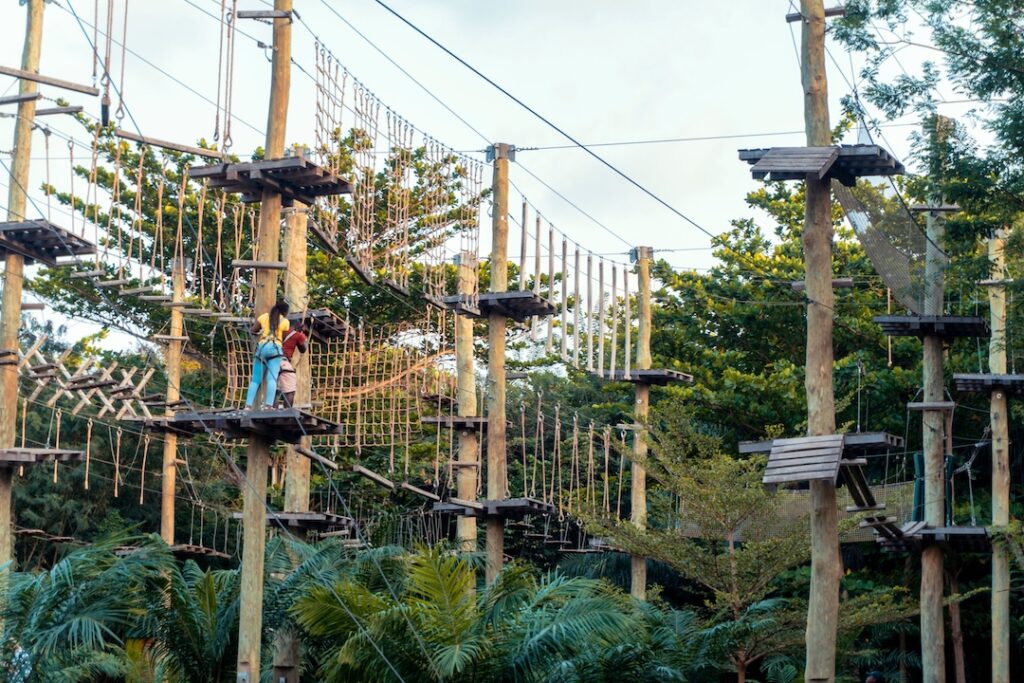
Your Next Team Meeting Might Need Less Agenda…and More Adventure
As leaders, we often ask:
- How do we improve communication?
- How do we increase engagement?
- How do we build trust?
Maybe another question belongs on the list.
- How do we create more shared experiences?
Because people don’t become great teams by sitting in the same meetings.
They become great teams by:
- Solving problems together
- Competing together
- Laughing together
- Celebrating together
- Sometimes even serving each other
Those weekends on my grandparents’ farm didn’t just give me wonderful childhood memories. They quietly shaped my philosophy of leadership and teamwork. They taught me that teams aren’t formed by organizational charts. They’re formed through experiences, challenges, trust, celebration and moments that become stories people tell years later.
Every organization has the opportunity to create those stories. You don’t need a hayloft or homemade trophies. And while a family-style meal served by the “losing team” might raise a few HR questions today, the principle still holds true.
- Create meaningful challenges
- Mix people together
- Celebrate effort
- Reward teamwork
- Laugh often
Because long after employees forget another Monday morning meeting, they’ll remember the moments when they felt connected, challenged, appreciated, and part of something bigger than themselves.
Those are the moments that build teams.
I’ve spent over thirty years coaching championship teams and studying high-performing organizations. But some of my greatest lessons about leadership and teamwork weren’t learned courtside. They were learned in a hayloft, on a whiffle ball field, in the pool, and around my grandmother’s dinner table on the farm.
Lessons Learned, Personal Stories, Teamwork